
What Does It Mean to Be an Ordained Wedding Officiant in BC? | Vancity Officiant Wedding Guide


When couples begin searching for a wedding officiant in British Columbia, one question often comes up:
What does it actually mean for an officiant to legally perform a marriage?
A wedding ceremony is not only a meaningful life event. It is also a legal act governed by provincial law. Understanding the role of an officiant helps ensure that your ceremony is both emotionally meaningful and legally valid.
Many couples are surprised to learn that not every person who can host or speak during a ceremony is legally allowed to marry a couple. In British Columbia, there are specific rules that determine who can conduct a marriage ceremony and sign the marriage registration.
This guide explains how wedding officiants are authorized, what “solemnizing a marriage” means, common misunderstandings about legal weddings, and how couples can feel confident that their ceremony meets legal requirements.
Who Can Legally Perform a Marriage in British Columbia
In British Columbia, only authorized officiants can legally solemnize a marriage.
Under provincial law, marriages can be legally performed by individuals registered with the province. These include:
• Marriage Commissioners appointed by the province
• Ordained ministers who are registered with the province as religious representatives
These officiants are authorized to conduct the legal portion of a wedding ceremony and sign the marriage registration that is later submitted to the provincial government.
Because the wedding ceremony is part of the legal marriage process, the officiant plays an essential role in ensuring that the ceremony follows the required structure.
What Does “Solemnizing a Marriage” Actually Mean?
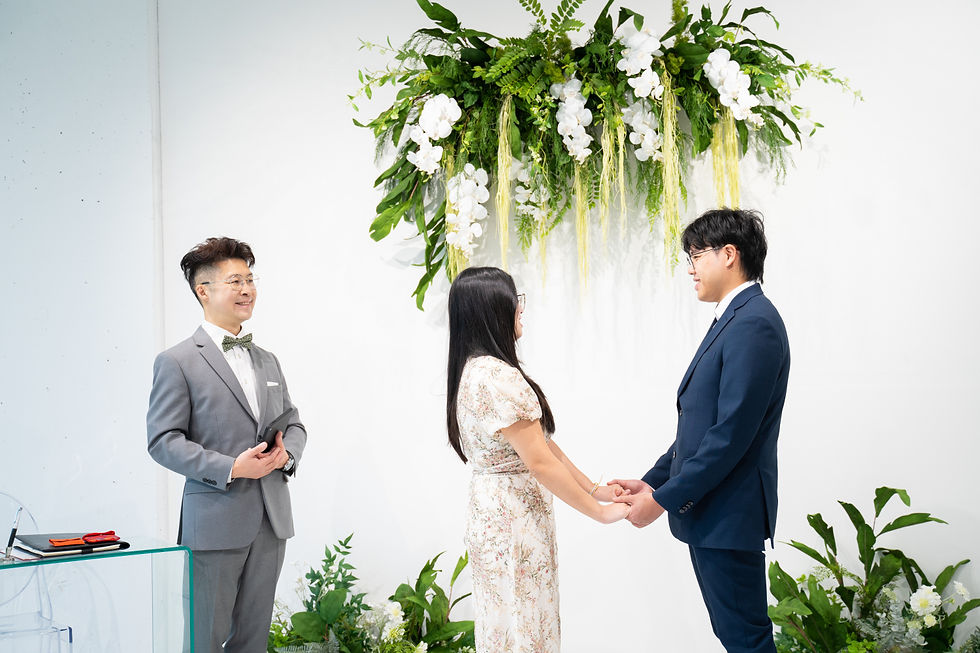
Many couples assume that legal marriage simply means signing a document. In reality, the law requires a marriage ceremony to take place.
Solemnizing a marriage means that a BC licensed marriage officiant must be present to conduct and witness the ceremony in which the couple declares their intention to marry.
A legal ceremony in British Columbia generally includes:
• The couple being physically present
• Two witnesses present at the ceremony
• The officiant witnessing the couple’s declaration of marriage
• The marriage licence being signed after the ceremony
The officiant who signs the marriage registration is the same person who conducts and witnesses the legal ceremony. This is why the officiant must be present during the ceremony itself.
Common Misunderstanding: Is Signing Paperwork Enough?

A common misunderstanding is that couples can become legally married simply by signing documents.
In British Columbia, that is not how the law works.
A legal marriage requires a ceremony where the couple declares their intention to marry in the presence of an authorized officiant and witnesses.
While signing the marriage licence is an important step, it is not the ceremony itself. The legal ceremony must occur first, and the signing happens after the ceremony has been completed.
This is why the officiant who signs the marriage registration must also be the person who was present to conduct and witness the ceremony.
Can a Friend or Celebrant Legally Marry You in BC?
Many couples ask whether a friend, family member, or celebrant can legally perform their wedding ceremony.
In British Columbia, a friend or celebrant who is not legally authorized cannot solemnize a marriage.
However, some couples choose to have a friend or family member speak during the ceremony while the legal officiant conducts the official portion of the marriage ceremony.
In these situations, the authorized officiant must still be present to conduct the legal declaration and witness the marriage.
What Does “Ordained Minister” Mean?

Many wedding officiants in British Columbia are ordained ministers who are registered with the province as religious representatives.
Ordination allows an officiant to be recognized by the province and authorized to solemnize marriages.
However, ordination does not determine the style of the ceremony. It simply provides the legal authority required for the officiant to perform marriages under provincial law.
For couples, this means the officiant has the ability to conduct the legal portion of the ceremony and submit the marriage registration after the wedding.
Are the Ceremonies Religious?
Our ceremonies can include spiritual elements if couples wish, but they are not tied to any single religious tradition.
Many couples today prefer ceremonies that feel modern, meaningful, and personal rather than connected to a specific religious institution.
Ceremonies may include:
• personal vows
• cultural traditions
• family rituals
• symbolic gestures
Others may prefer a simple and elegant ceremony focused on the legal declaration of marriage.
This flexibility allows couples to create a ceremony that reflects their relationship while still meeting the legal requirements of marriage in British Columbia.
What Happens After the Ceremony?

After the ceremony is completed and the marriage licence is signed, the officiant is responsible for submitting the marriage registration to the provincial government.
Once the registration has been processed, couples can apply for their official marriage certificate through the province.
This step completes the legal registration of the marriage.
Questions Couples Can Ask When Choosing an Officiant
Couples who want to feel confident about the legal side of their wedding can ask a few simple questions when speaking with an officiant:
• Are you legally authorized in British Columbia to solemnize marriages?
• Will you personally be present during our ceremony?
• Will you be the officiant signing and submitting our marriage registration?
These questions help ensure that the person leading the legal portion of the ceremony is the same person responsible for completing the legal process.
How Vancity Officiant Handles Legal Ceremonies
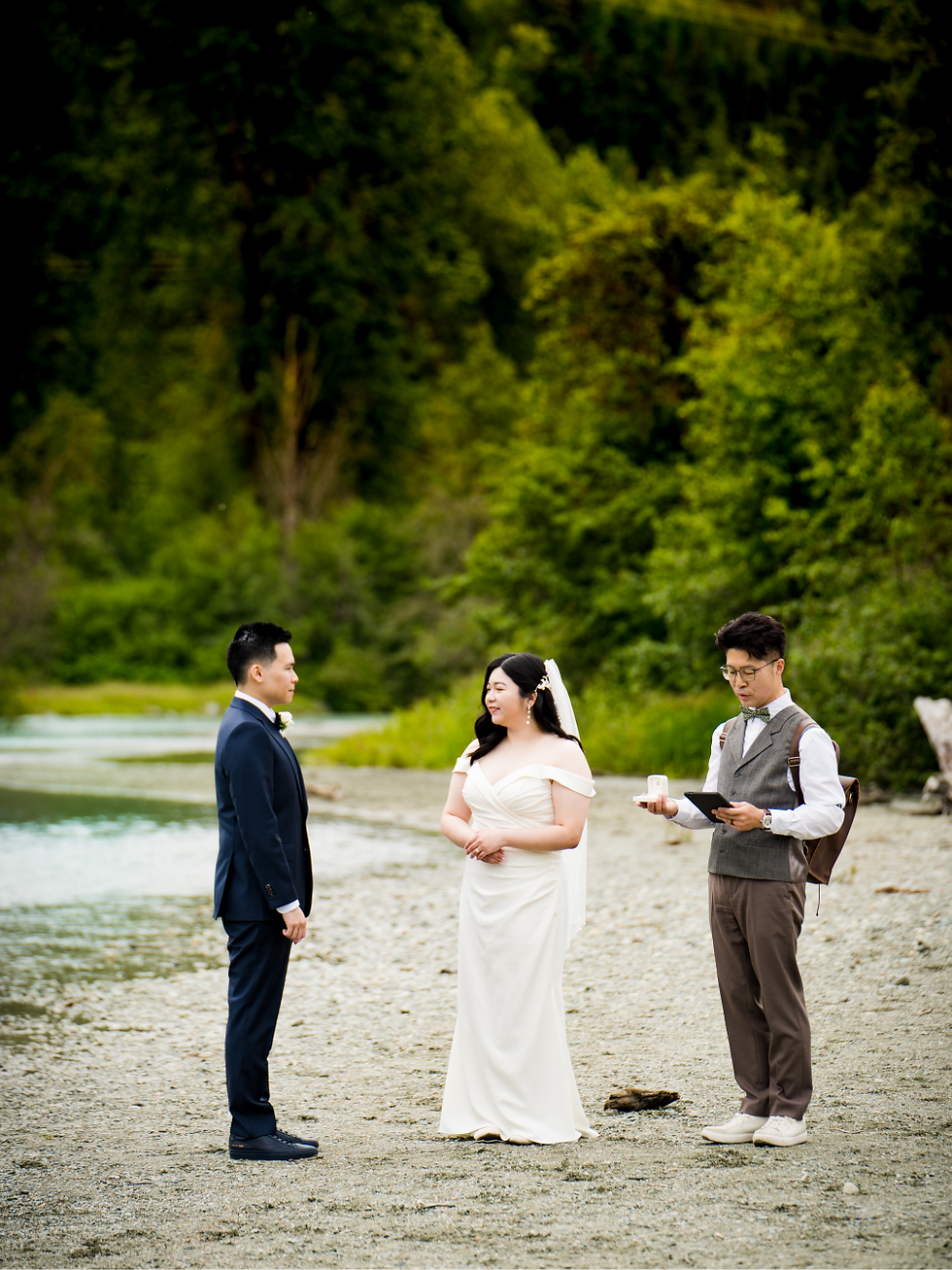
At Vancity Officiant, the officiant who leads the legal portion of your ceremony is the same person authorized to solemnize the marriage and submit the marriage registration.
This means the officiant present during the ceremony is the one responsible for completing the legal process.
Our approach ensures that couples receive:
• a ceremony that feels personal and meaningful
• a clear and structured legal process
• confidence that their marriage is properly registered
Final Thoughts
A wedding ceremony is both a meaningful life moment and an important legal step. Understanding the role of the officiant helps couples feel confident that their ceremony is conducted properly.
When couples know how the legal process works, they can focus on what truly matters: celebrating their commitment and beginning the next chapter of their lives together.
Connect with Vancity Officiant
If you would like to learn more about how wedding ceremonies work in British Columbia, we are always happy to help.
Contact form: https://www.vancityofficiant.com/#contact
WhatsApp: http://wa.me/16042838912


