Chinese Tea Ceremony in Vancouver: Cultural Experience vs Wedding Ceremony Explained | Vancity Officiant Wedding Guide

Updated: May 3

Introduction
When couples search for a Chinese tea ceremony in Vancouver, they are often shown a mix of cultural experiences, garden workshops, and wedding services.
At first glance, they may seem similar. In reality, they serve completely different purposes.
Understanding this difference is one of the most important steps in planning a tea ceremony that actually feels meaningful, rather than just following a set of steps.
Two Types of Chinese Tea Ceremonies in Vancouver
Cultural Tea Experiences

These are typically hosted in cultural or garden settings and are designed for:
Learning and observation
Tea appreciation or tasting
Understanding traditional practices
The focus is on cultural exposure.
You are participating in an experience, not stepping into a family role.
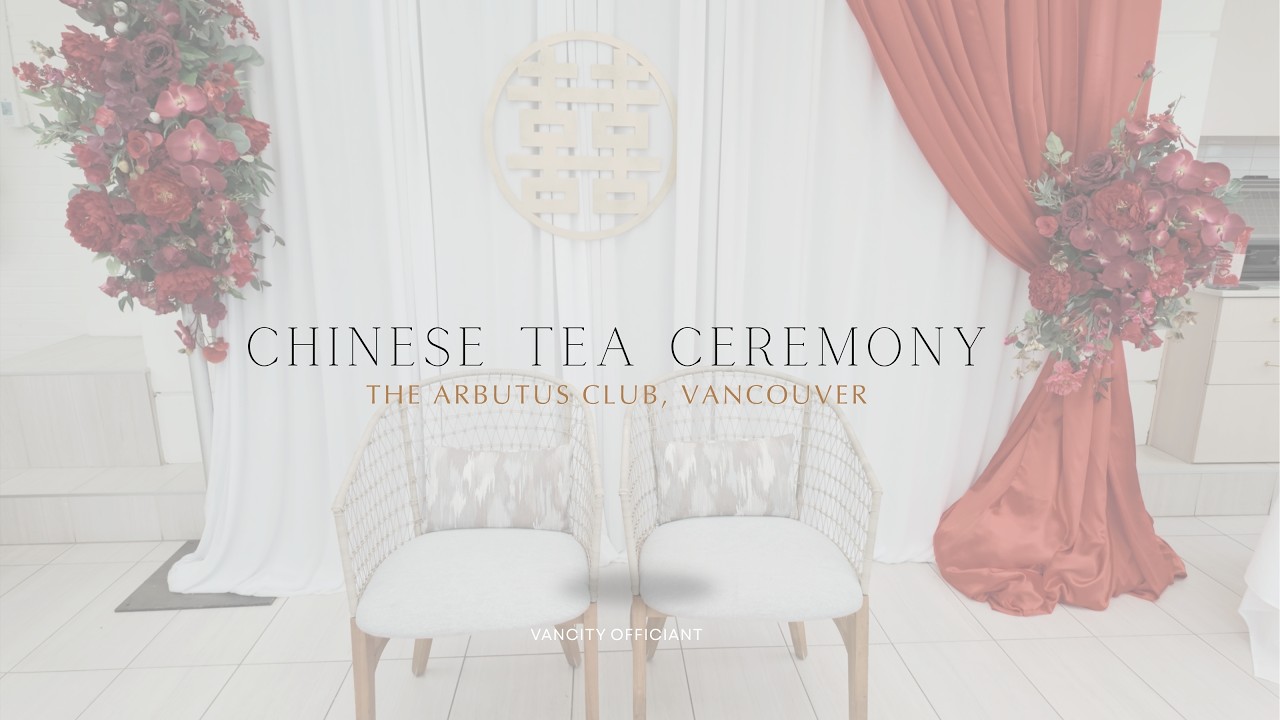
Wedding Tea Ceremonies

A wedding tea ceremony is fundamentally different.
It is:
A family ritual
A moment of acknowledgement
A structured part of the wedding itself
Instead of observing, you are actively involved in a sequence that carries meaning:
Serving tea to parents and elders
Receiving blessings and gifts
Being formally acknowledged as a married couple
At Vancity Officiant, this is approached as a guided experience rather than a performance. The role is not just to facilitate, but to help everyone present understand what is happening and why.
Why This Difference Matters
Many couples initially assume they can simply include a tea ceremony anywhere. While this is technically possible, the experience can feel very different depending on how it is structured. Without clear guidance, a tea ceremony often becomes:
Rushed
Confusing for non-Chinese families
Reduced to a sequence of actions without meaning
This is where thoughtful design and facilitation become essential.
The Meaning Behind a Chinese Tea Ceremony

A tea ceremony is often described as a gesture of respect toward parents and elders. In practice, it is more than that. It is a moment of acknowledgement.
It includes:
Respect for parents and elders
The receiving of blessings
The recognition of a new family relationship
When this meaning is not clearly expressed, the ceremony can feel mechanical rather than genuine.
How a Tea Ceremony Actually Flows
While traditions often mention serving tea by seniority, modern ceremonies require a more considered structure.
A well-designed tea ceremony takes into account:
Family dynamics
Cultural backgrounds
The overall timing of the wedding day
The sequence is not just about hierarchy. It is about creating a smooth and understandable experience for everyone present.
How a Modern Tea Ceremony Is Designed
A tea ceremony in Vancouver is often adapted rather than replicated from traditional formats in Asia.
It considers:
Multicultural families
Guests unfamiliar with the tradition
The need for clarity and flow
A well-guided ceremony allows both meaning and structure to be experienced together, rather than leaving guests to interpret it on their own.
Where Can a Wedding Tea Ceremony Be Held?

A wedding tea ceremony can take place:
At your wedding venue
At home
As part of a full wedding day
Or privately in a dedicated ceremony space such as The Ensora
The choice depends on how structured and guided you would like the experience to be.
FAQ
What is included in a Chinese wedding tea ceremony?
A tea ceremony typically includes serving tea to family members, a defined order of participation, and moments of acknowledgement such as blessings and symbolic gestures.
Can I do a tea ceremony without a wedding?
Yes, but it becomes a cultural or symbolic experience rather than a formal family ritual.
Do I need a professional to guide the tea ceremony?
It is not required, but it significantly improves clarity, structure, and the overall experience, especially for multicultural weddings.
Can both families be included together?
Yes. The ceremony can be arranged as a combined sequence or structured separately depending on family preferences and timing.
Continue Exploring This Topic
Understanding the Tea Ceremony
Planning and Structure
Modern and Multicultural Contexts
Start Planning Your Ceremony
Conclusion
A Chinese tea ceremony is not simply about tradition or aesthetics. It is about acknowledgement, family connection, and the transition into marriage.
Once the structure and purpose are clear, the ceremony becomes something that is genuinely experienced rather than just completed.